


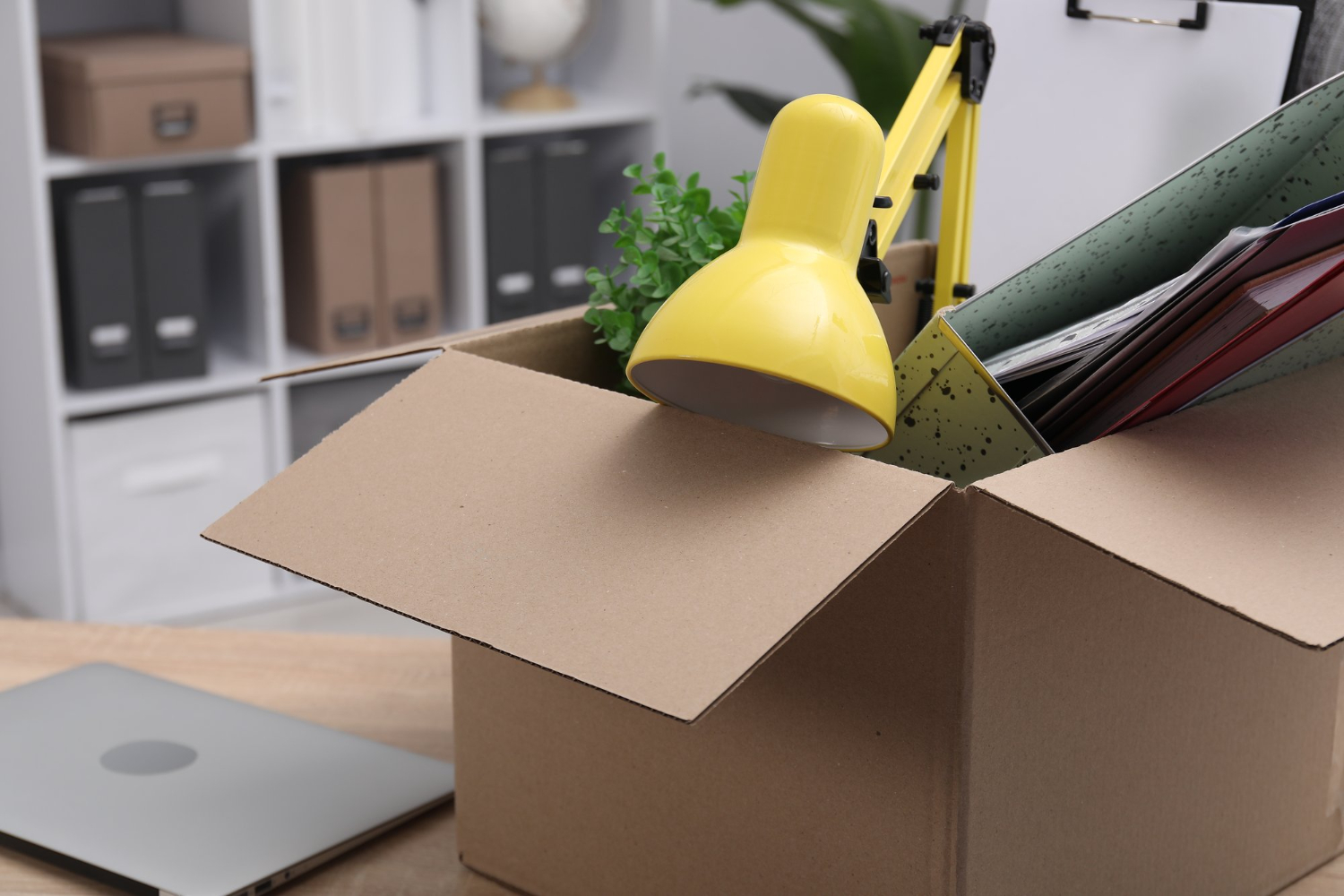
A contents pack-out is the process of packing, inventorying, and removing household belongings from a home before fire, water, or mold remediation begins. The belongings stay in storage until the home is repaired and ready for move-in. Restoration work brings dust, debris, moisture, and heavy foot traffic into every room, so belongings in undamaged rooms face risk too. Johnson & Daly Moving & Storage provides packing and storage for homeowners in Marin County and the East Bay. This guide explains which belongings should leave the home, how a pack-out works, and what to check before your items go into storage.
What Home Remediation Involves
Home remediation involves removing damage and its causes from a house after a damaging event. Common triggers include house fires, floods, burst pipes, roof leaks, and mold growth. Most projects have two phases. Mitigation stops the damage from spreading through water extraction, drying, and removal of damaged materials. Restoration then repairs or rebuilds what crews removed, from drywall and flooring to cabinets and paint.
A remediation project can run for weeks or even months, depending on how much of the home the damage reached. During that time, homeowners often coordinate with an insurance adjuster, a remediation contractor, and several repair trades at once. The question of where the furniture, clothing, and keepsakes should go comes up early, often before the first crew arrives.
Why Belongings in Undamaged Rooms Are Still at Risk
A remediation site affects the whole house, not only the damaged rooms. Four conditions put unaffected belongings at risk:
- Dust and debris. Demolition, sanding, and drywall removal send fine particles through the home, and those particles settle on upholstery, electronics, and artwork.
- Moisture. Drying equipment pulls water out of building materials, and indoor humidity can stay high for days. The EPA guide to mold and moisture advises drying water-damaged areas and items within 24 to 48 hours to prevent mold growth.
- Odor and smoke residue. After a fire, smoke odor travels into fabrics, mattresses, and closets in rooms the flames never reached.
- Foot traffic and equipment. Crews carry fans, dehumidifiers, tools, and materials through hallways all day. Furniture left in that path takes bumps and scratches every time someone squeezes past it.
Removing unaffected belongings before work begins takes them out of all four conditions. It also gives the remediation crew clear rooms to work in, which keeps the project on schedule.
Affected and Unaffected Belongings Take Different Paths
Belongings in a damaged home fall into two categories, and each category follows a different path.
- Affected belongings are items the fire, water, or mold reached directly. They need cleaning, deodorizing, or drying before storage. The EPA notes that porous materials, such as carpet, may need to be thrown away once they become moldy.
- Unaffected belongings are items the damage did not reach. These are the items a pack-out protects. The crew can pack, inventory, and move them into storage right away, before dust and moisture reach them.
Affected belongings differ from unaffected belongings because they need treatment before they can sit safely beside other items. Placing a damp or moldy item straight into storage can spread moisture and mold to everything around it. Ask your remediation contractor to confirm which items fall into each category before anything leaves the house.
Remediation Contractors and Moving Companies Do Different Jobs
A remediation contractor specializes in water mitigation, fire and smoke restoration, mold remediation, and reconstruction. A household goods moving company packs, inventories, transports, and stores household belongings. The two trades work on the same house, but they solve different problems.
Many homeowners assume the remediation company will handle their belongings too. Some crews shift furniture from room to room to clear a work area, but that keeps the furniture inside the dust and moisture. Every shift also means another round of handling, and each round raises the chance of damage. Packing belongings once, moving them out once, and delivering them back once keeps handling to a minimum.
Choosing the mover deserves the same care as choosing the contractor. Our guide to hiring a moving company covers what to ask during the estimate, and our article on how to spot a legitimate California moving company explains how to avoid moving scams.
How Moving Belongings Into Storage Works
A pack-out begins when the homeowner schedules a walkthrough and ends when the belongings return to the repaired home. Most pack-outs follow six steps:
- Walkthrough and scheduling. The mover reviews which rooms and items will leave, and the homeowner sets a pack-out date before demolition starts.
- Inventory. The crew lists and photographs each item before it leaves the home.
- Packing and wrapping. The crew packs small items into boxes and wraps furniture, mirrors, and artwork in protective padding.
- Loading and transport. The crew loads the truck and transports the shipment to the storage facility.
- Storage. The belongings stay in storage for the length of the project.
- Delivery. Once repairs finish and the contractor clears the home for move-in, the crew delivers the belongings and places the furniture back in each room.
The inventory matters most later in the project. It records what left the home and the condition of each item, which gives you a complete record of your contents. The California Department of Insurance offers a free home inventory guide you can keep alongside the mover’s list. Our tips for keeping fragile items from breaking during a move also apply to a pack-out. Our packing services page describes full packing for an entire home.
What to Ask Before Your Belongings Go Into Storage
A long restoration means your belongings may sit in storage for months, so the storage arrangement matters as much as the move itself. Ask these questions before the pack-out date:
- Is the storage space climate-controlled?
- Will you receive a copy of the itemized inventory?
- Can you retrieve specific items, such as seasonal clothing or documents, during the project?
- How much notice is required for redelivery once the home is ready?
- How does the monthly charge change if the project runs longer than planned?
Steps to Take Before Remediation Starts
A few steps before the first crew arrives make the pack-out faster and keep your records complete:
- Photograph every room, including closets and drawers, before anything moves.
- Pack a bag of essentials for the length of the project, such as medications, chargers, documents, and a few days of clothing.
- Tag the items you want easy to reach in storage.
- Share the remediation contractor’s timeline with your mover so the pack-out happens before demolition.
- Keep a copy of the inventory with your project paperwork.
Frequently Asked Questions
How Long Do Belongings Stay in Storage During Remediation?
Belongings stay in storage for as long as the remediation and repairs take. A small water job may finish in a few weeks, while a fire or major flood project can run for several months.
Should Damaged Items Go Into Storage With Everything Else?
No. Damaged items need cleaning or drying first, because moisture and mold can spread to nearby belongings in storage.
Do I Need to Empty Rooms That Were Not Damaged?
Emptying undamaged rooms is often the safest choice because dust, odor, and foot traffic can spread throughout the house during remediation. Your remediation contractor can confirm which rooms the work itself requires you to clear.
Can I Move My Belongings Into Storage Myself?
You can, but a full house of furniture takes careful packing, a truck, and several people to move without damage. A moving company also builds an itemized inventory as it packs, which is hard to create on your own during a stressful project.
Keep Your Belongings Out of the Work Zone
A contents pack-out keeps undamaged belongings away from the dust, moisture, and traffic of a remediation site, then returns them once the home is ready. The remediation contractor restores the house, and the moving and storage company protects what was inside it. To plan a pack-out around your restoration timeline, review our household goods storage options. For more planning help, browse our moving advice blog.
Planning a Move to Berkeley?
Johnson & Daly Moving & Storage handles residential moving, apartment moving, packing services, and storage in Berkeley and the East Bay.
Request a quote to talk through your move date and new home.
